
Laser Cladding
Adding a laser-melted powder alloy to a worn or damaged metal surface so that it forms a metallurgical bond.
Dimensions are recovered, surface durability increases.
Not piling material on,
but adding it under control
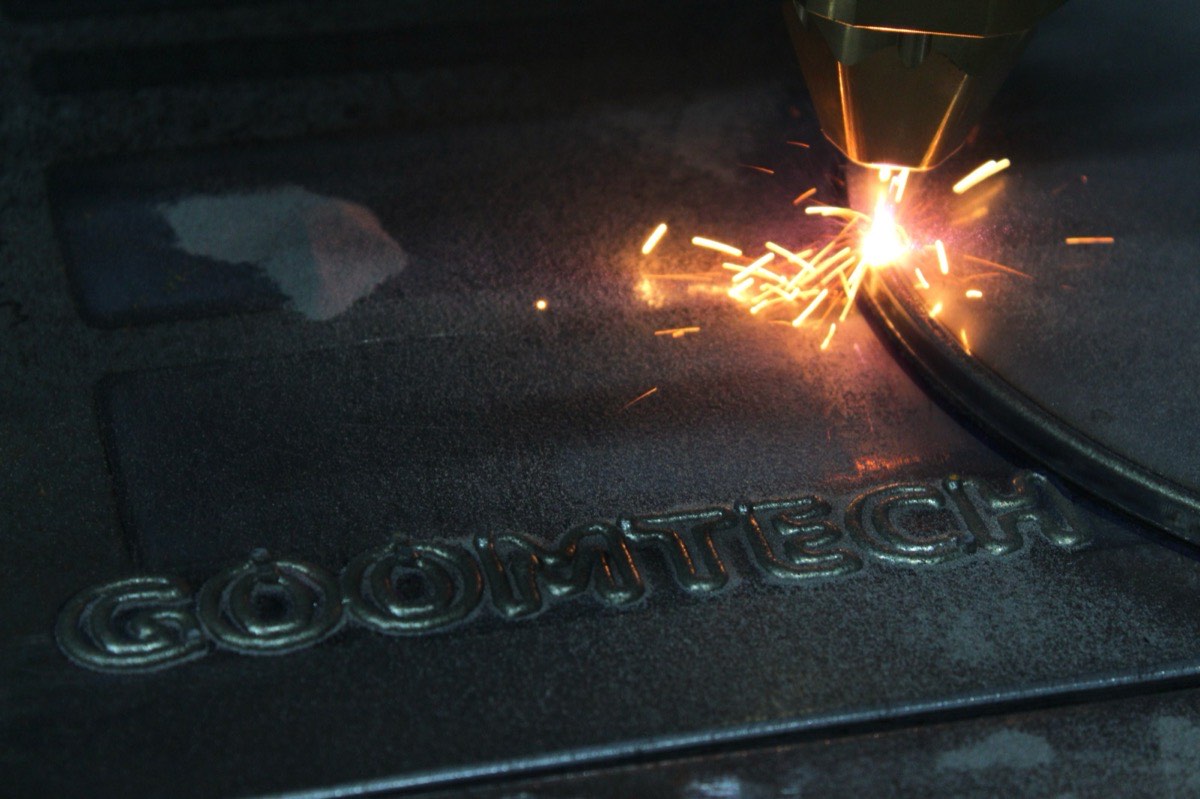
A high-power laser beam creates a very small melt pool on the surface. Powder alloy is fed into that pool at the same time. The powder melts, fuses with the surface and solidifies to form a metallurgical bond.
The critical variable is the mixing ratio — how much the cladding alloy blends with the base material. Too much mixing and the coating loses its properties; too little and the bond weakens. The process is built on that balance.
Because coating thickness and alloy selection are controlled, the required level and depth of hardness can be achieved on the part.
What laser cladding delivers
Minimum thermal distortion
Heat input is low and confined to a narrow zone; the form and dimensions of the part are preserved.
Strong metallurgical bond
The coating is not stuck on — it fuses with the base material; the bond is metallurgical.
High wear and corrosion resistance
With an alloy chosen for the operating conditions, the surface becomes more durable than the base material.
Required hardness and dimension
Because thickness and alloy are controlled, the targeted hardness and dimension can be reached.
Dense, pore-free layer
The coating is dense and non-porous; it leaves no path for corrosion to reach the base material.
Machinable
Delivered with a machining allowance; it can be turned or ground to final dimension.
Parts we clad
Crankshafts, rotors, rolls, turbine components and heat-exchanger tubes above all — and every steel surface subject to wear.
Where cladding is the correct method
Dimensional loss
If the part is worn and has lost diameter or surface, cladding adds material back and recovers the dimension. It is delivered with a machining allowance.
The surface must differ from the base
The body can remain ordinary steel while the working surface must resist wear, corrosion or temperature; only that surface receives a different alloy. Our alloys →
Replacement is expensive or slow
For imported, custom-made or long-lead parts, repair offers a clear advantage in both cost and downtime.
Cracked or structurally damaged parts
Cladding is a surface treatment. If the body carries a crack, fracture or fatigue damage, that must be assessed first — surface work does not solve a structural problem.
From cladding applications
Laser cladding — frequently asked
How is laser cladding done?
The laser beam creates a very small melt pool on the surface of the part and powder alloy is fed into it. The powder melts, fuses with the surface and solidifies to form a metallurgical bond. The heat-affected zone stays narrow and the part keeps its form and dimensions.
Can the cladded part be machined afterwards?
Yes. Parts are delivered with a machining allowance and brought to final dimension by turning or grinding.
Which parts do you clad?
Crankshafts, rotors, rolls, turbine components and heat-exchanger tubes above all — and in general any steel surface subject to wear. Shafts, valve and pump bodies, dies, hydraulic rods and wear elements are parts we handle routinely.
Can a cracked part be saved by cladding?
No. Cladding is a surface process; it does not repair a crack, fracture or fatigue damage in the body of the part. Such parts need a structural assessment first.
Can it replace hard chrome plating?
Yes. On hydraulic rods and rolls, iron-based alloys such as Rockit 401 are laser clad in place of hard chrome; no Cr(VI) is involved and the coating forms a metallurgical bond rather than adhering to the surface.
Is your part suitable for cladding?
Send a photograph of the worn zone and the part material; we will assess suitability and tell you which method is right.